Hiphop isn’t Rap, Graffiti, DJing and B-boying/B-girling. Hiphop created Rap, Graffiti, DJing and B-boying/B-girling.

Rap Almanac Database


Since 2010 the Rap Research Lab’s interdisciplinary team has maintained the Rap Almanac, a fully-searchable proprietary database of over 800,000 transcribed rap lyrics and associated metadata: publishing and biographical information, and natural language processing output whose statistical descriptions include rhyme complexity, sentiment analysis, and topic modeling. Rap Almanac is a big data platform that you can use to search and map all of the words, ideas, people, places, events and objects that over 30,000 rappers mention in more than 800,000 rap songs. 


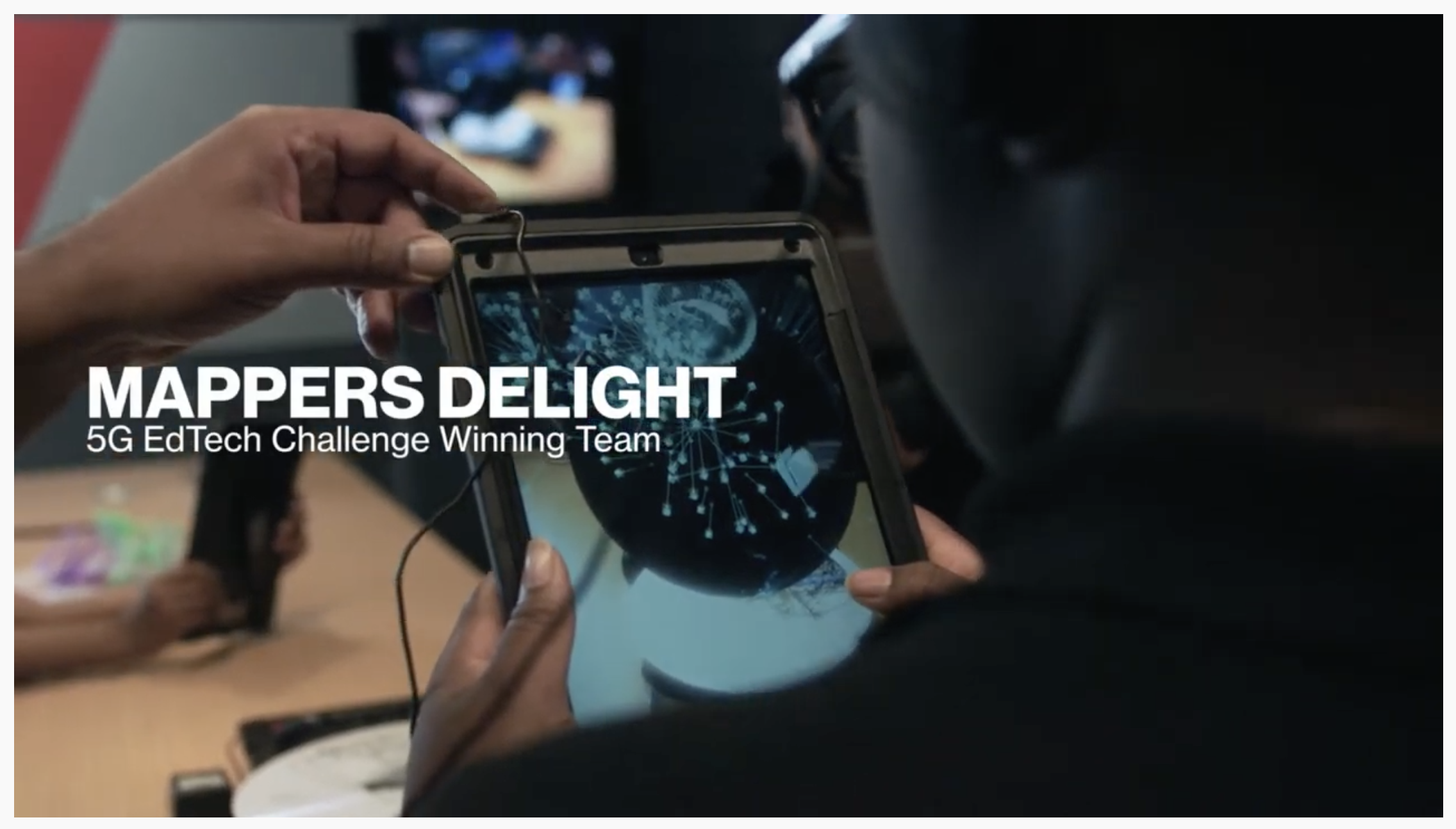
Mappers Delight


Mapper’s Delight is a multiplayer, sculptural data visualization and collaboration tool built on semantic relationships of tens of thousands of rap lyrics. This mixed reality platform uses geography, a dynamic timeline, and a high-dimensional cluster map to demonstrate and explore rap’s range and diversity. In the geography mode players interact with a globe populated with pins that mark places like New York, Los Angeles, Tokyo, Antarctica, Sierra Leone, and Maui; the timeline orders interactive search results historically; and the vector word cluster map renders the high-dimensional relationships between the words spoken by 25,000 artists across 500,000 lyric transcripts. Selecting a point of interaction plays the corresponding excerpt of the song. Players discover that rappers mention spaces and locations for many reasons: to signify wealth, ancestry, and mobility; to make political statements; and for the sheer joy of wordplay. Whether players are deep rap nerds or just realizing the depth of the art form, Mapper's Delight presents a compelling, intuitive, and fun means of exploring the politics of place embedded in Rap Research Lab's Rap Almanac database. Contact us to request a demo.

playtest.png
 

Rap Almanac: The Science Behind the Sound


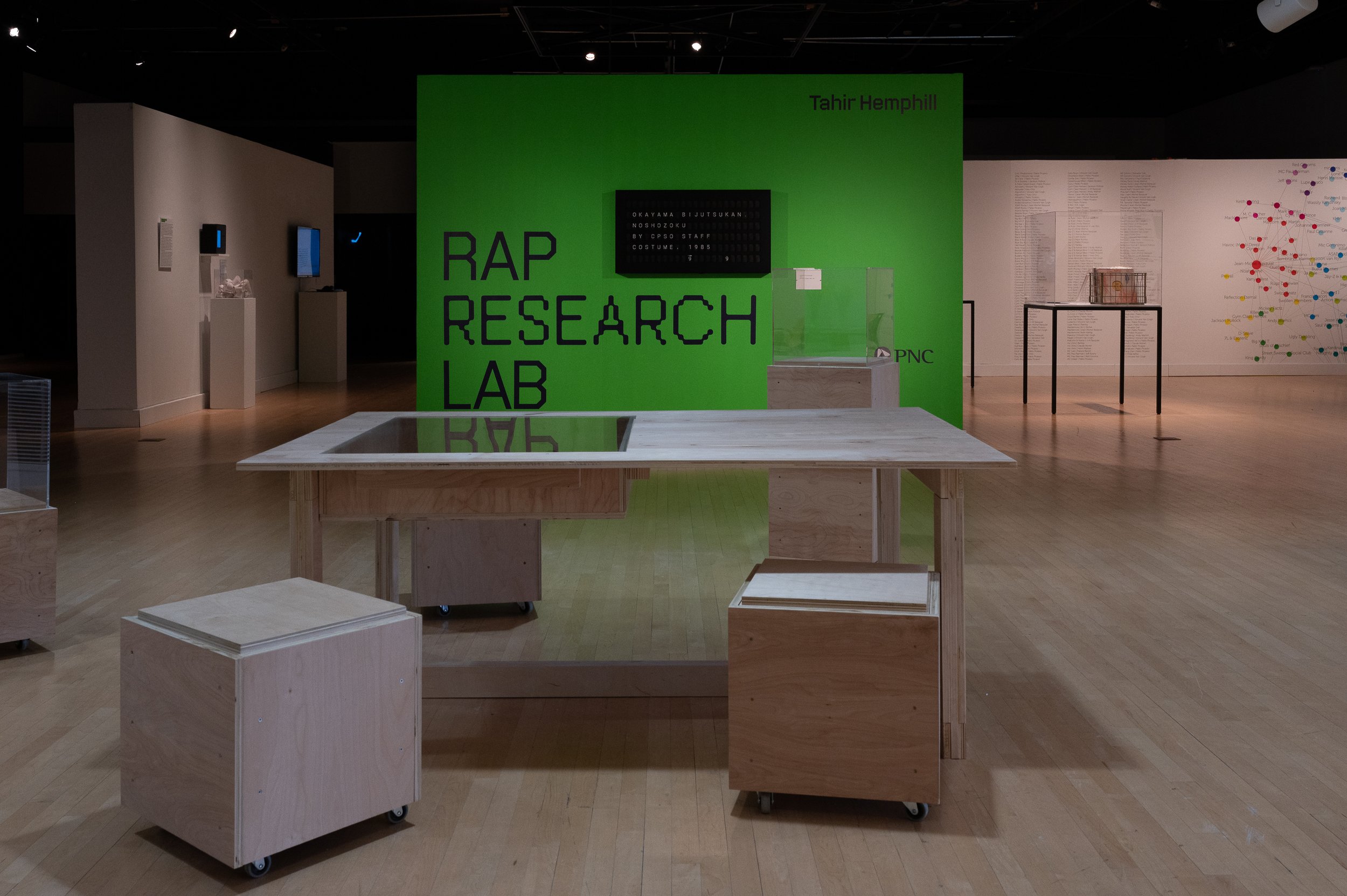
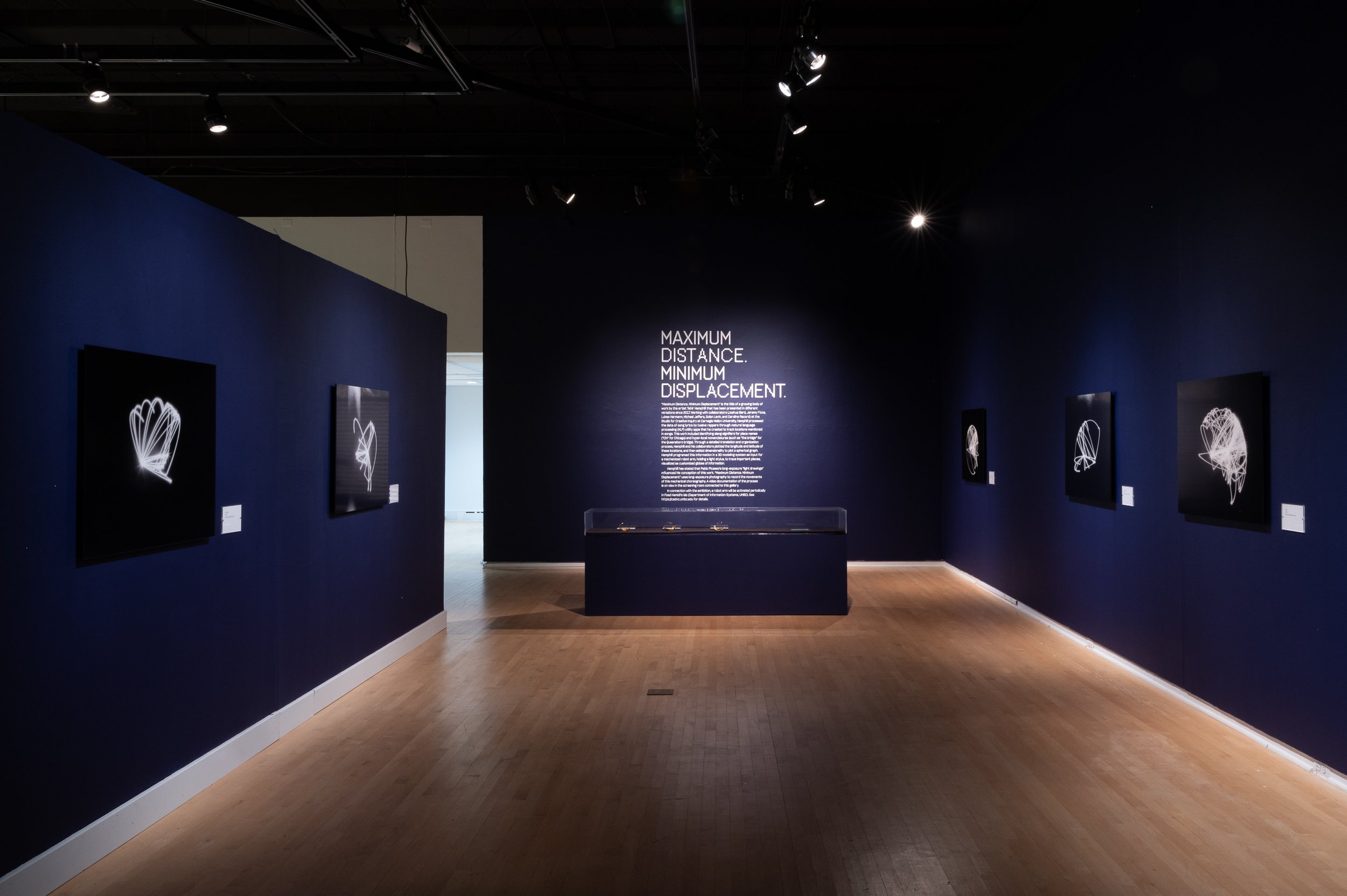
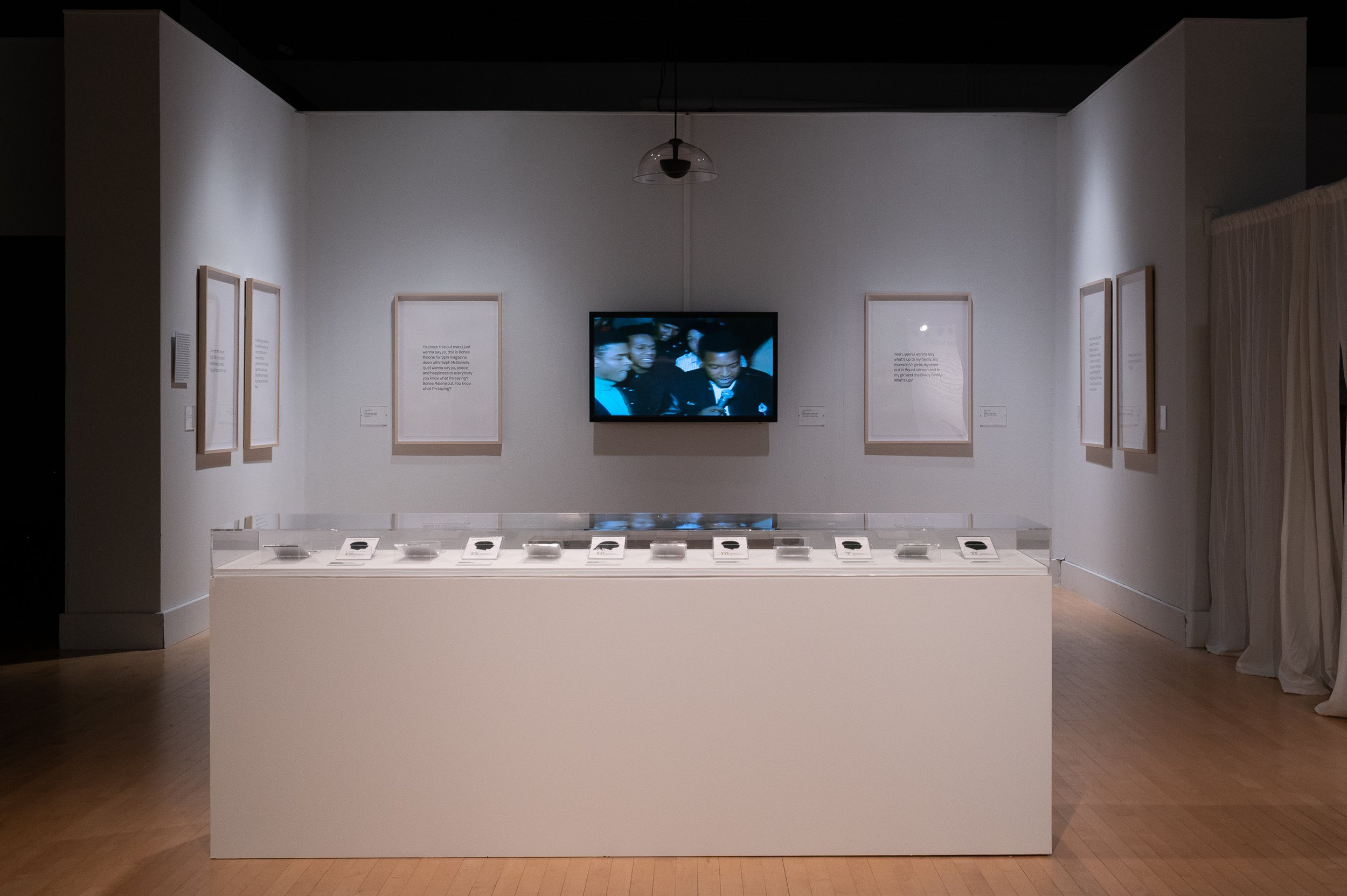
Rap Almanac: The Science Behind the Sound is an interactive touring exhibition that merges hip-hop culture, data science, and creative technology. Led by artist and technologist Tahir Hemphill, the exhibition invites audiences to explore dynamic visualizations of rap history, AI-generated lyric analysis, and multimedia installations like NO CAP, an AI vs. human lyric comparison experience. Perfect for museums, universities, and cultural spaces, Rap Research Lab offers hands-on workshops, live activations, and a captivating journey through data and music. 

Rap Research Lab is a survey of creative research Hemphill has undertaken over the past 10 years at the STUDIO for Creative Inquiry at Carnegie Mellon University, Autodesk Pier 9 Residency, Eyebeam Art + Technology, Spotify Media Artist Residency, The Hiphop Archive and Research Institute, at Harvard University, Rockefeller Bellagio Fellowship, NYU ITP Something in Residency, LACMA Art + Technology Center and as Education Chair at the Library of Congress.

This touring exhibition is a unique opportunity to foster creativity, dialogue, and innovation within your community. For booking inquiries and additional information, send us an email.


Data Memory Lab


Data Memory Lab is a public, collaborative, open source community data project that engages digital humanities and the arts to catalyze critical discourse through the production of dialogue, monographs, works on paper, data sculpture, and data sonification.

In group settings, participants formulate research questions, engage digital humanities tools, create workflows, and deliberate on the meaning of findings as they collectively move through an iterative process designed for shared knowledge production.

Writers and cultural critics are teamed with creative technologists and artists to collaborate on creative research projects. Participants gather in structured, reflective discussions to record experiences, identify teachable moments, iterate methods, and plan for future implementations. The resulting methodologies, findings, and objects are added to a repository of content from previous sessions and used as a resource to teach in informal classroom settings.


playtest


As a platform, playtest serves as a testing ground for emerging media and digital technologies, inviting artists, technologists, and the public to question, experiment, and reflect on the evolving role of technology in our lives. Each iteration of playtest offers a unique lens into the possibilities and challenges presented by new media, fostering critical conversations around access, representation, and innovation.

playtest: Library as Institution of Memory
During his tenure as Education Chair at The Library of Congress, Tahir Hemphill launched playtest: Library as Institution of Memory, bringing together leading practitioners from diverse fields to explore how virtual and augmented reality, along with other emerging media, can be applied to humanities research, education, and public engagement. This groundbreaking event transformed the Library into an interactive laboratory where participants could experiment with immersive technologies to reimagine historical archives, cultural narratives, and collective memory. The convening included live demonstrations, workshops, and discussions that highlighted the potential of emerging media to make history and knowledge more accessible and engaging for future generations.

Watch the event here.

playtest: Prompt Battle
As part of his three-year Social Practice residency at The Kennedy Center, Hemphill introduced playtest: Prompt Battle, a high-energy, live competition that brings together AI creatives from Black and Brown communities to showcase their skills in prompting text-to-image AI software. Contestants push the boundaries of AI creativity by generating visually stunning, thought-provoking, and emotionally resonant images, music, and videos in real time.

playtest: Prompt Battle not only entertains but also educates, addressing critical issues of algorithmic bias and the need for equitable AI systems. This event serves as a community-driven data experience, empowering resource-limited communities in the AI landscape and fostering dialogue around the ethical implications of machine learning technologies.

Learn more about Prompt Battle here.


Every Day Seems Like Murder Here: Implications of a Rap Neural Network


Every Day Seems Like Murder Here: Implications of a Rap Neural Network makes use of three large databases to ask when and how one person’s lyric become another’s crime, and provide an interactive means of exploring the dynamics of the bias and stereotyping that makes this transformation possible.

We have found rap lyrics to be a highly productive foundation for exploring distinctions between art and commerce, bias from reasoned judgement, and the real from the fake. Implications of a Rap Neural Network provides the means to approach rap music as searchable and categorizable data, thereby disentangling its form, content, delivery and performance.

The first body of text is the Rap Almanac Database, a “big data” cultural research platform built around the cataloging, transcription and linguistic analysis of approximately 500,000 rap songs; Second is Rapbot, a machine learning algorithm trained on Rap Almanac Database content and a platform that generates rap lyrics on-demand based on user-provided keywords; Third is The State vs. Rap Lyrics, a digitized collection of court records in which the defendant’s rap lyrics were used as evidence against them.

The Project represents a unique opportunity to teach and pursue the kind of critical thinking and decision making that in a post-truth, Deepfake era, is a precursor to developing and deploying a healthy 21st century Democracy. We want to establish tools and methodologies for those who are most at risk of harm to have a say in how AI is used at the intersection of popular culture and the criminal justice system.